Opening a Business in Richmond? Start Your Sign Project Here.
Signage is one of the last things most new business owners think about — and one of the last things a landlord will approve. Starting the process early makes the difference between opening with a real sign on the building and opening with a paper banner in the window.
Todd Friedman helps Richmond-area business owners work through the sign process from lease signing to installation, one step at a time.
1. Get the landlord's sign criteria
Every commercial lease with a sign has a sign-criteria document behind it. Get a copy in writing before you design anything. It tells you the allowed size, mounting method, illumination type, colors, and approval process.
2. Confirm the allowable sign area
Landlord rules are one layer. City and county sign codes are another. Both apply — the sign has to satisfy the stricter of the two. Todd checks both before any drawings are commissioned.
3. Survey the property
A site survey confirms wall condition, dimensions, existing electrical, any existing hardware to remove, and mounting method. It's the difference between a design that installs cleanly and a design that has to be reworked at fabrication.
4. Develop drawings
Scaled drawings show the sign on the wall in context — size, position, materials, colors, illumination. They're what the landlord and city need in order to approve.
5. Secure landlord approval
The landlord signs off on the drawings before the permit is submitted. This step protects you from paying to fabricate a sign the landlord later refuses.
6. Apply for permits
Permit applications typically include the drawings, elevation photos, landlord authorization letter, and — for lit signs — an electrical plan. Todd coordinates the application with the Superior Signs team and any revisions the city requests.
7. Fabricate
With permit in hand, the sign goes into fabrication. Lead times vary by sign type. Todd sets expectations up front so your opening date and your sign install line up.
8. Install
Install day is the payoff. Todd coordinates with the property manager, the electrician (if needed) and the install crew so the sign goes up cleanly and the inspection happens on schedule.
Start early enough to avoid opening without signage
The most common mistake new business owners make is starting the sign conversation two weeks before opening. Between landlord approval, permitting and fabrication, most sign projects take longer than most people expect.
The best time to start talking about your sign is the day you sign the lease.
A short checklist
- Request landlord sign criteria in writing
- Confirm allowable sign area with landlord and city
- Schedule a site survey
- Approve drawings
- Landlord approval letter
- Permit application submitted
- Fabrication scheduled to align with your opening date
- Coordinate install with landlord, electrician and inspector
- Post-install: final photos and inspection close-out
Frequently asked questions
How early should I start?
The day you sign the lease. Most sign projects take longer than new business owners expect — often 6 to 12 weeks by the time landlord approval, permitting, fabrication and installation are all counted.
What if my landlord is slow to respond?
That's common. Todd will help you follow up in writing and, if needed, work directly with the property manager to keep things moving.
Can I open with just a temporary sign?
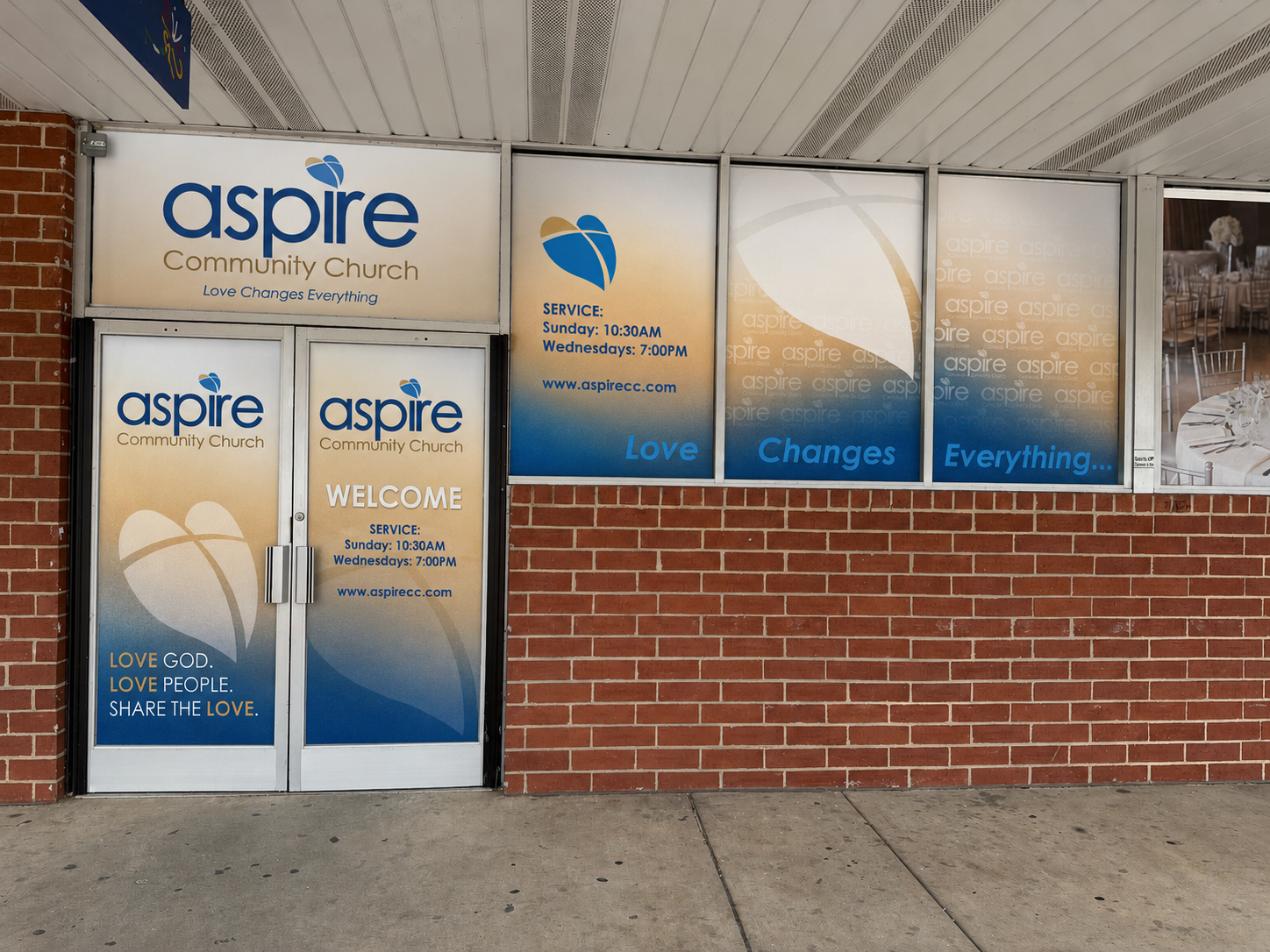
Sometimes. A banner or window vinyl can bridge the gap while permanent signage is in permitting or fabrication. Most jurisdictions have rules on how long a temporary sign can stay up.
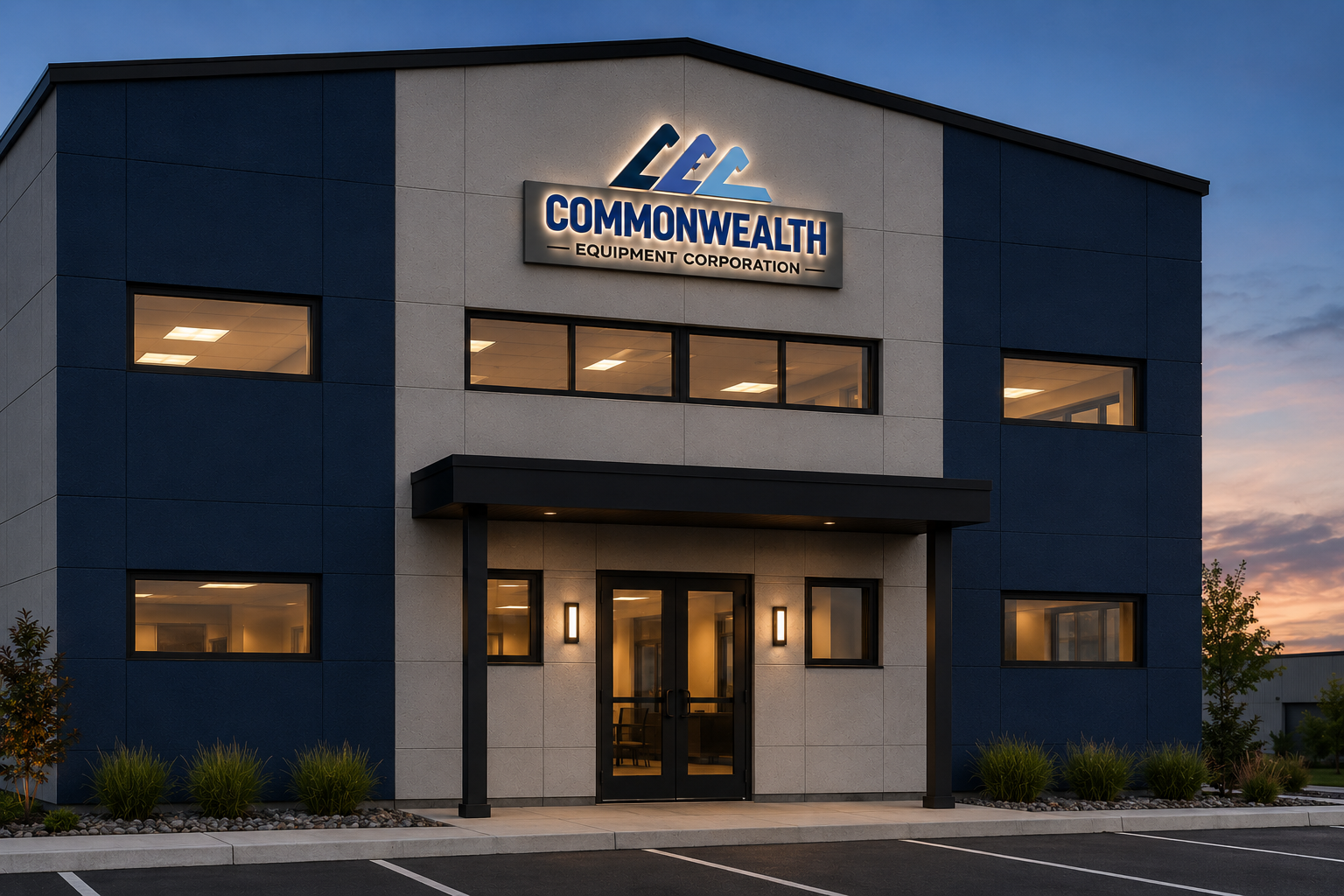
A few relevant projects.

Signed a lease? Let's talk.
Send Todd a note or give him a call. He usually responds within one business day.