Storefront Signs in Richmond, Virginia
A storefront sign is usually the first sign a business needs and the most important one on the property. It has to survive weather, meet landlord and city rules, communicate the brand, and stay legible from the road.
Todd is the local customer point of contact for Richmond-area storefront sign projects, coordinating work through the Superior Signs team — from options review through landlord approvals to a finished, permitted, installed sign.
Channel letters
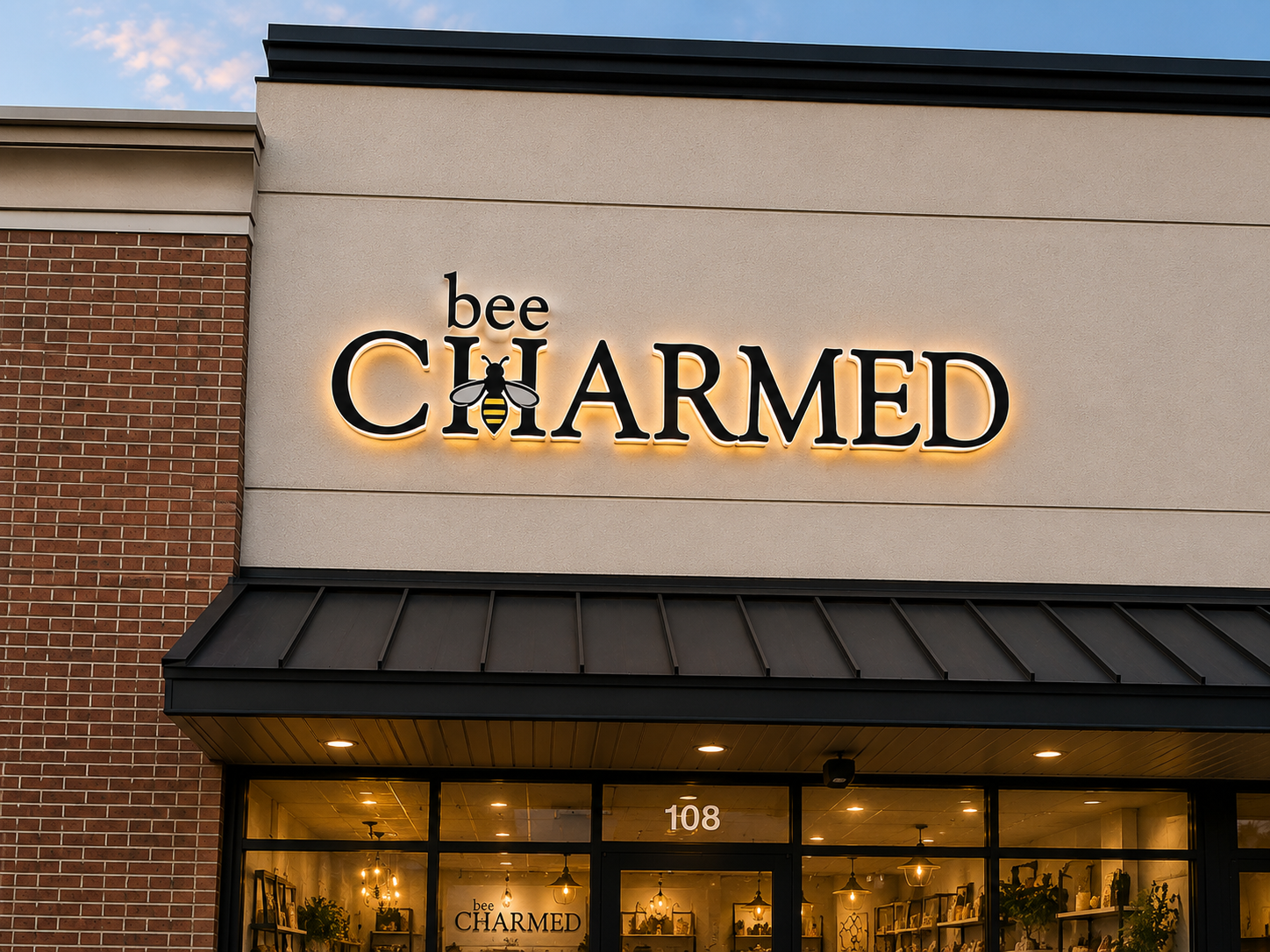
Channel letters are three-dimensional letters, typically internally illuminated with LEDs. They can be front-lit (translucent faces), halo-lit (light behind opaque faces, glowing on the wall), or reverse/combo-lit.
Individual letters mount straight to the wall. This is the cleanest look, but it usually requires a good mounting surface and hidden electrical access.
Raceway-mounted letters
A raceway is a metal enclosure the letters mount onto. It houses the wiring and transformer, and it lets you install a lit sign on a wall without exposing electrical work behind the letters.
Raceway mounts are often required by landlords or preferred when the wall material makes individual mounts difficult.
Illuminated cabinet signs
Cabinet signs are a single lightbox with a printed or translucent face. They can be simpler to permit and less expensive than channel letters, but they don't have the same depth or presence.
Dimensional (non-illuminated) letters
Dimensional letters are three-dimensional letters without built-in lighting. They can be mounted flush to the wall or with standoffs, and they can be lit externally with gooseneck lamps if the site allows.
Dimensional letters can be a good fit when illumination isn't allowed, isn't needed, or when the budget is a factor.
Landlord sign criteria
Most commercial properties have a sign criteria document that spells out what kind of sign is allowed, where it can go, how big it can be, whether it can be illuminated, and how it has to be mounted.
Getting this document early — before a design is commissioned — saves rework later. Todd asks for it up front on every project.
Electrical requirements
- Landlord-provided electrical stub near the sign location, or coordination with a licensed electrician
- Dedicated circuit sized for the sign's LED load
- Time clock or photocell for on/off scheduling, when required by landlord or city
- GFCI protection where the electrical code requires it
Sign permits
Almost every jurisdiction in Central Virginia requires a permit for a storefront sign. The permit application typically includes scaled drawings, elevation photos, engineering (if attaching to structure), and landlord authorization.
Todd coordinates the permit process with the Superior Signs team — including preparation of the application, communication with the city, and any revisions the reviewer asks for.
Site surveys
A survey is the first step. It answers the practical questions: How is the wall built? Is there existing electrical? Is there a raceway or an old sign to remove? What's the fastest legal way to get the new sign up?
Todd coordinates site surveys with the Superior Signs team and communicates the findings back to you.
Typical project sequence
- Initial call — what do you need, what's the deadline, what's the property
- Site survey and landlord criteria review
- Concept and layout discussion
- Drawings
- Landlord approval
- Permit application
- Fabrication
- Installation and final inspection
Cost factors
- Sign size and letter height
- Illumination type (front-lit, halo-lit, non-illuminated)
- Mounting method (individual letters vs. raceway)
- Wall material and access (lift, scaffold, building height)
- Landlord requirements
- Permit and engineering fees
- Removal of any existing signage
Frequently asked questions
How tall should the letters be?
It depends on set-back from the road and viewing angle. Letters that read well from a parking lot are too small to read from a highway; letters sized for the highway can look out of proportion up close. Todd walks through this during the initial consultation.
Do I have to use channel letters?
No. Dimensional letters, cabinet signs, and vinyl-and-hardware alternatives all have a place. The right choice depends on the property, the brand, and what the landlord and city will approve.
What if my landlord hasn't sent me the sign criteria?
That's normal. Todd will help you request it and, if needed, work with the landlord's property manager directly.
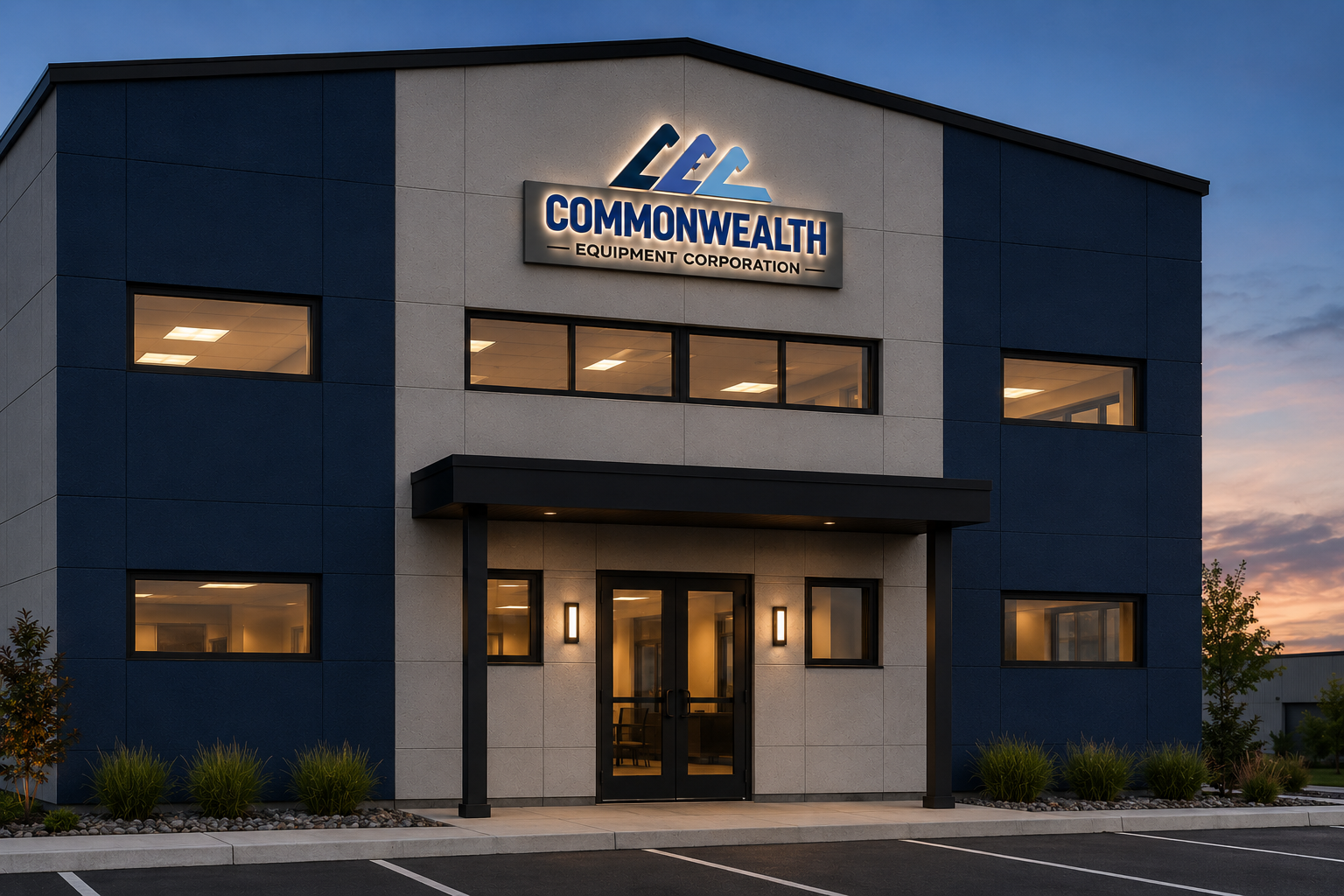
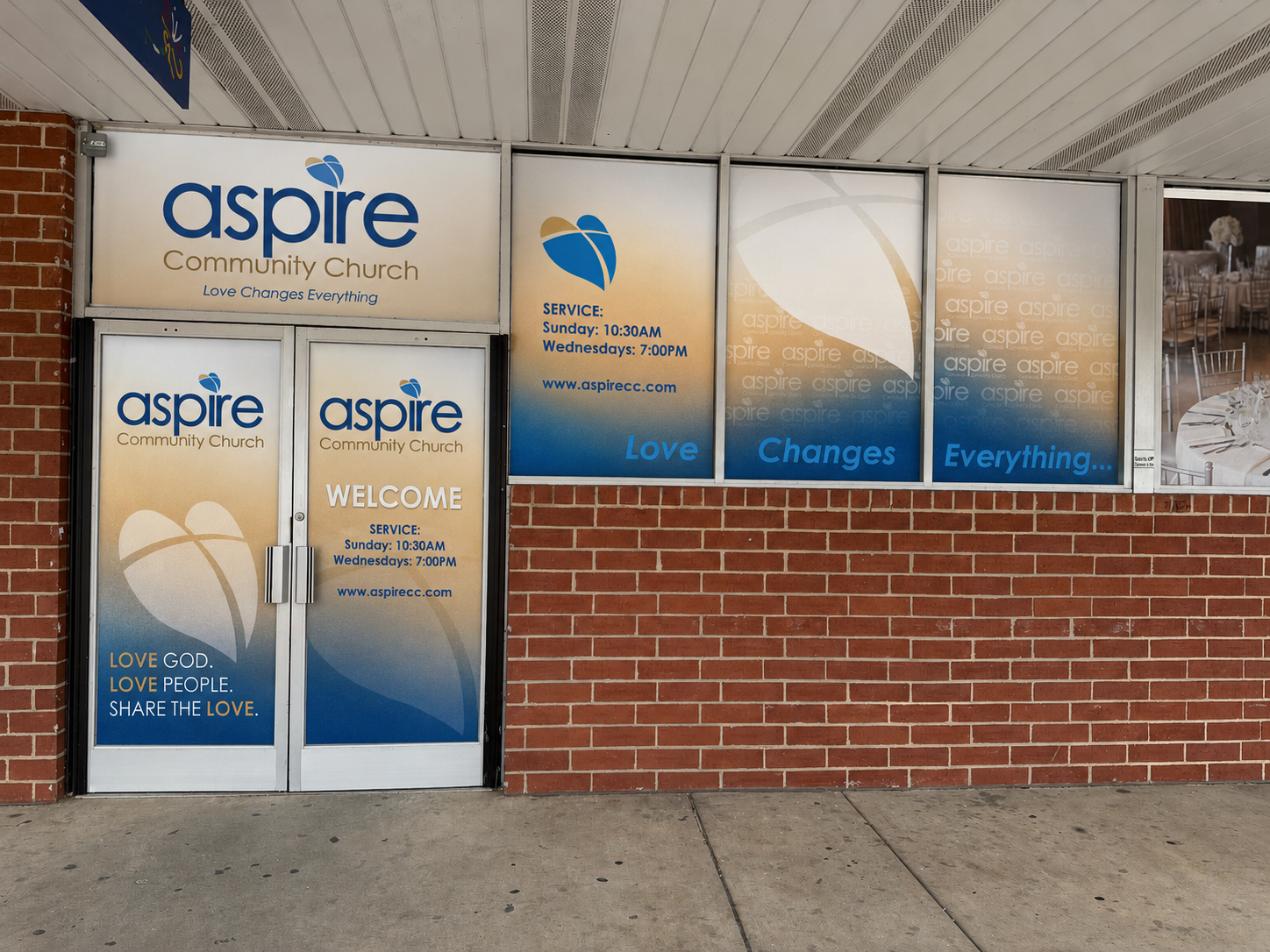
A few relevant projects.
Ready to talk through a storefront sign?
Send Todd a note or give him a call. He usually responds within one business day.