A lot of people think the day you sign the quote is the day fabrication starts. It is not. There is actually a sequence of things that happen between your signature and the truck pulling up. Knowing the steps in advance helps with managing expectations, especially around timing.
What actually happens, in order
First, the sign company finalizes the drawings. For bigger signs this includes structural engineering. Smaller signs skip that step.
Then your landlord has to approve the final design. If they signed off earlier on the concept, this part is usually quick. If they have not seen it yet, expect a few weeks. Bigger property management companies move slower than smaller ones.
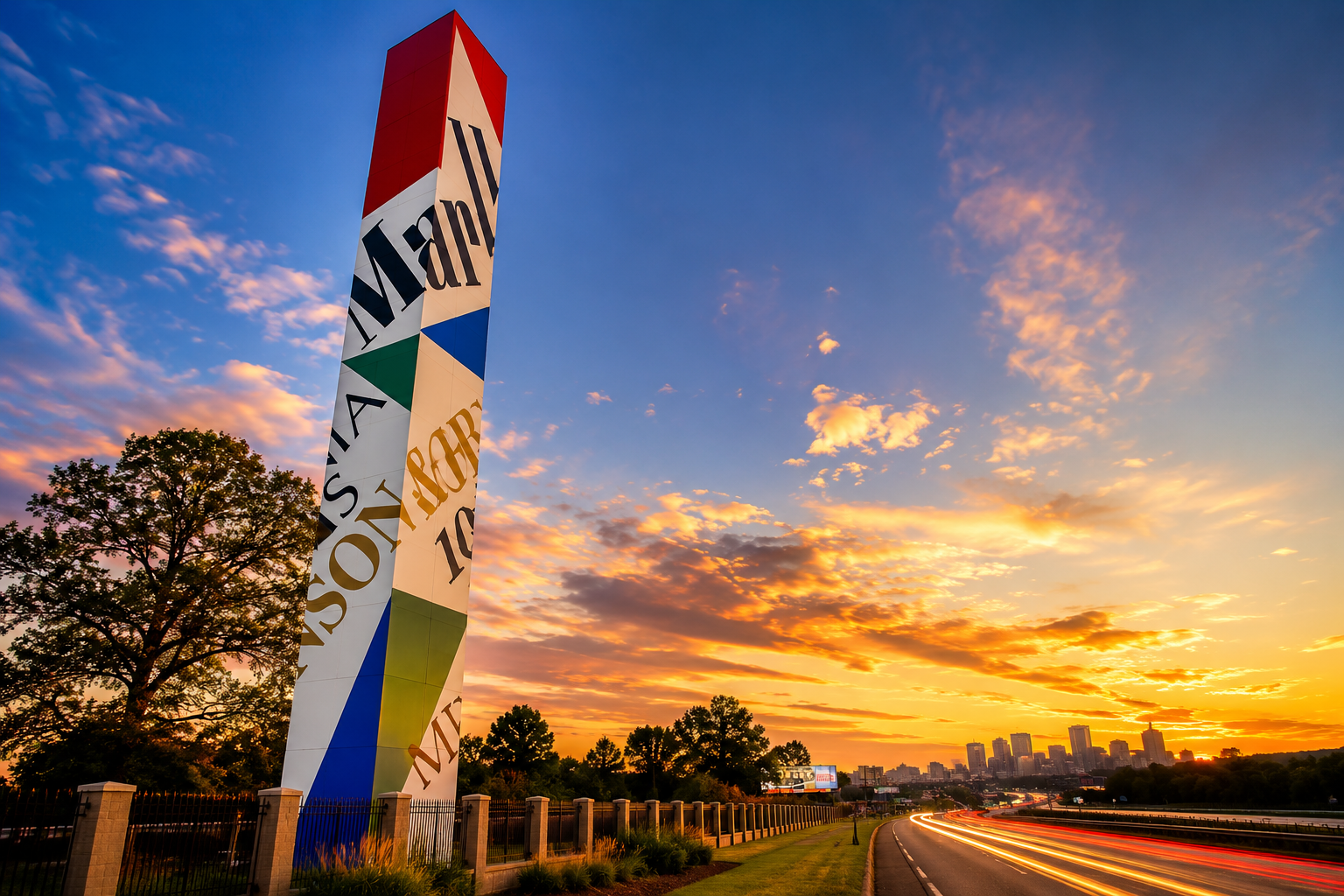
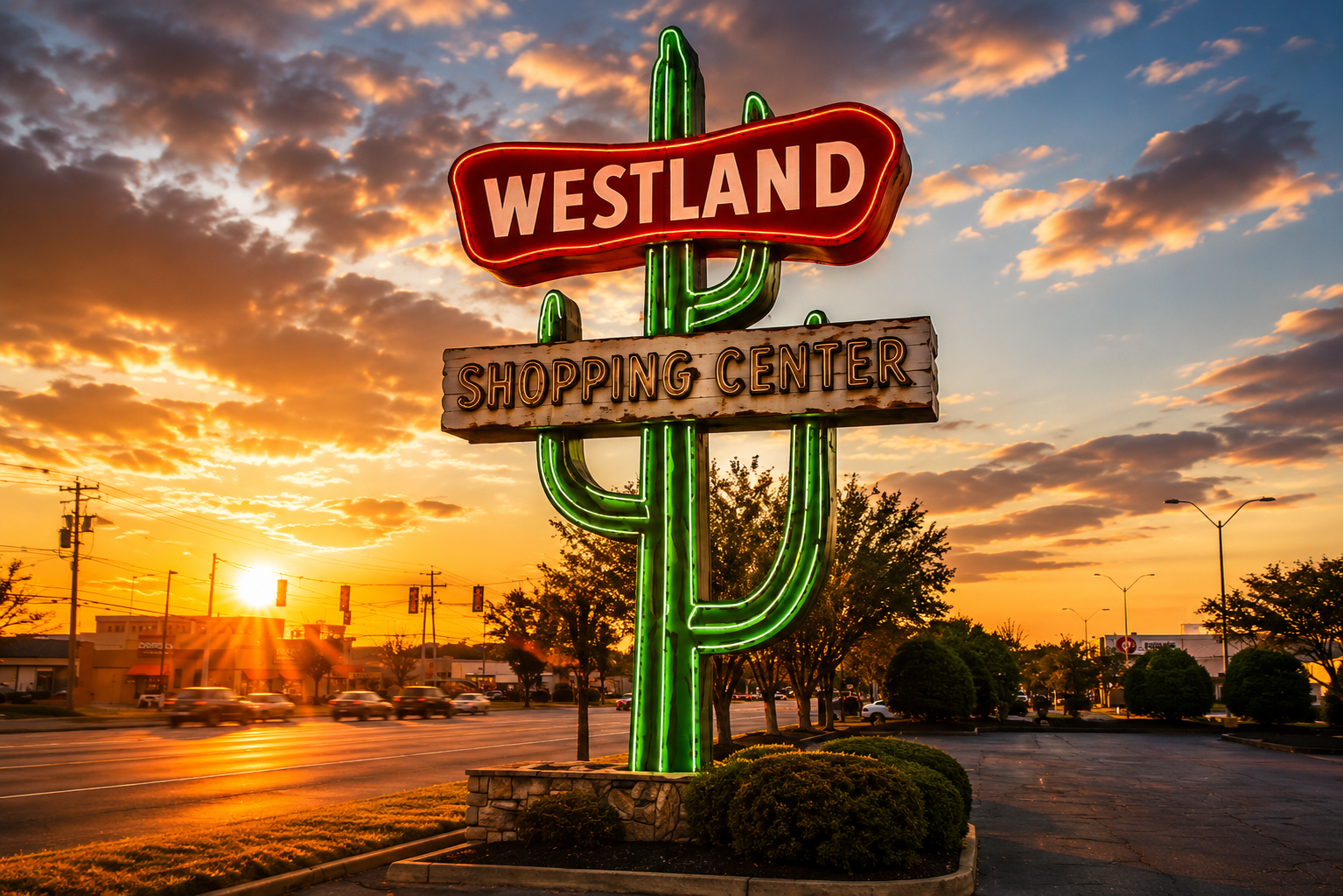
After landlord approval, the drawings go to the city or county for the sign permit. Wall-mounted signs usually come back faster than monument signs. Anything in a historic district takes longer.
Once the permit is in hand, the sign actually gets built. Lead time depends on the type of sign, the materials, and how busy the shop is.
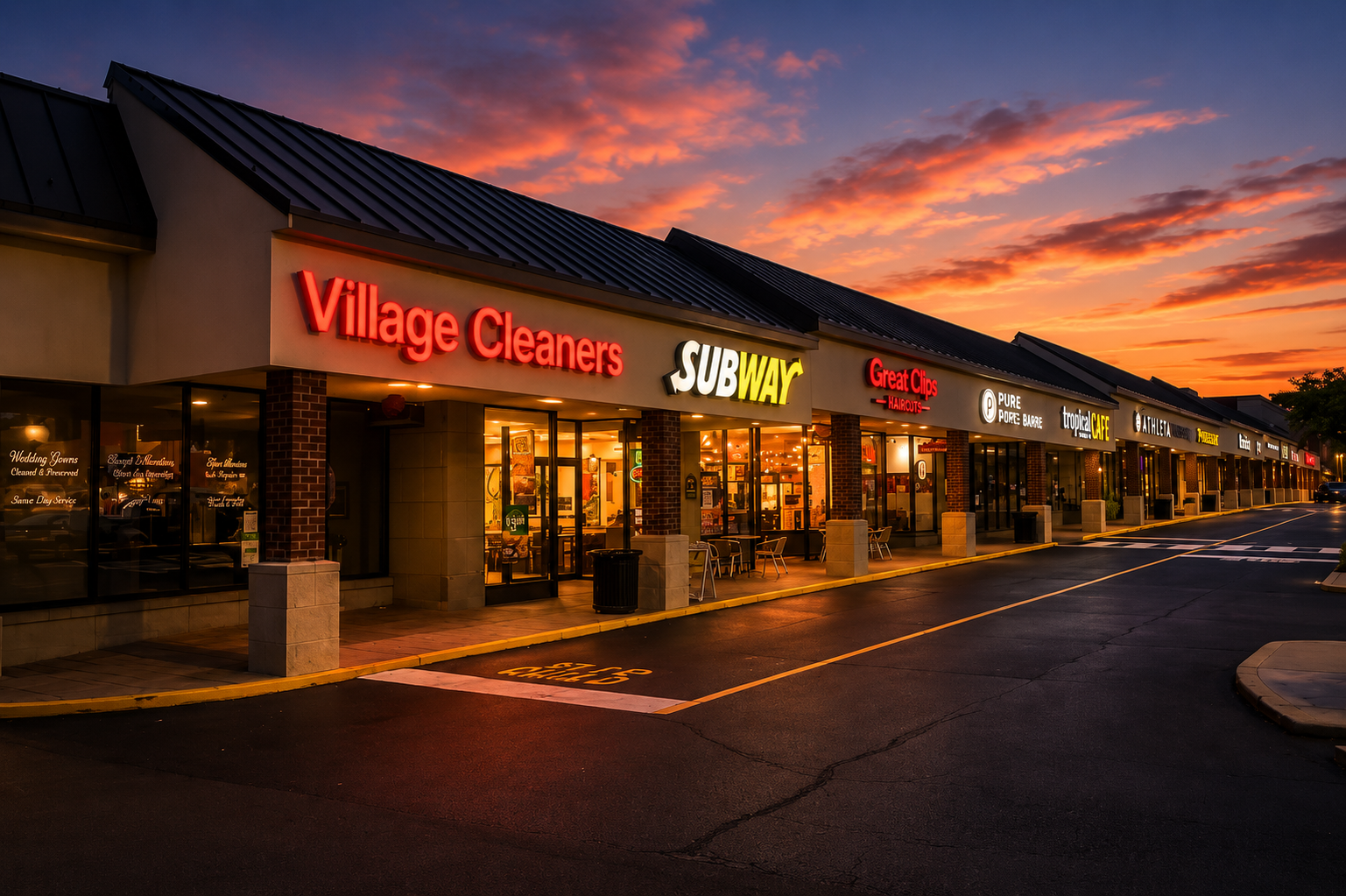
While that is happening, site work gets done. Power is run to the sign location. Concrete is poured for monument signs. Any old sign that is coming down gets removed.
Then installation day — usually one to three days depending on the sign. Wall signs typically install in a day. Monument signs take longer because the concrete has to cure.
Finally, the city or county inspects the installation. Once it passes, you get the final paperwork and warranty documents.
How long does the whole thing take?
For most wall signs in the Richmond market, plan on a couple of months from approval to install. Monument signs usually take longer. If you are in a historic district or near a state highway, plan on longer still.
The biggest thing to know: most of the wait is not the sign company moving slowly. It is the landlord and the permit office. Building that into your timeline early saves a lot of frustration.